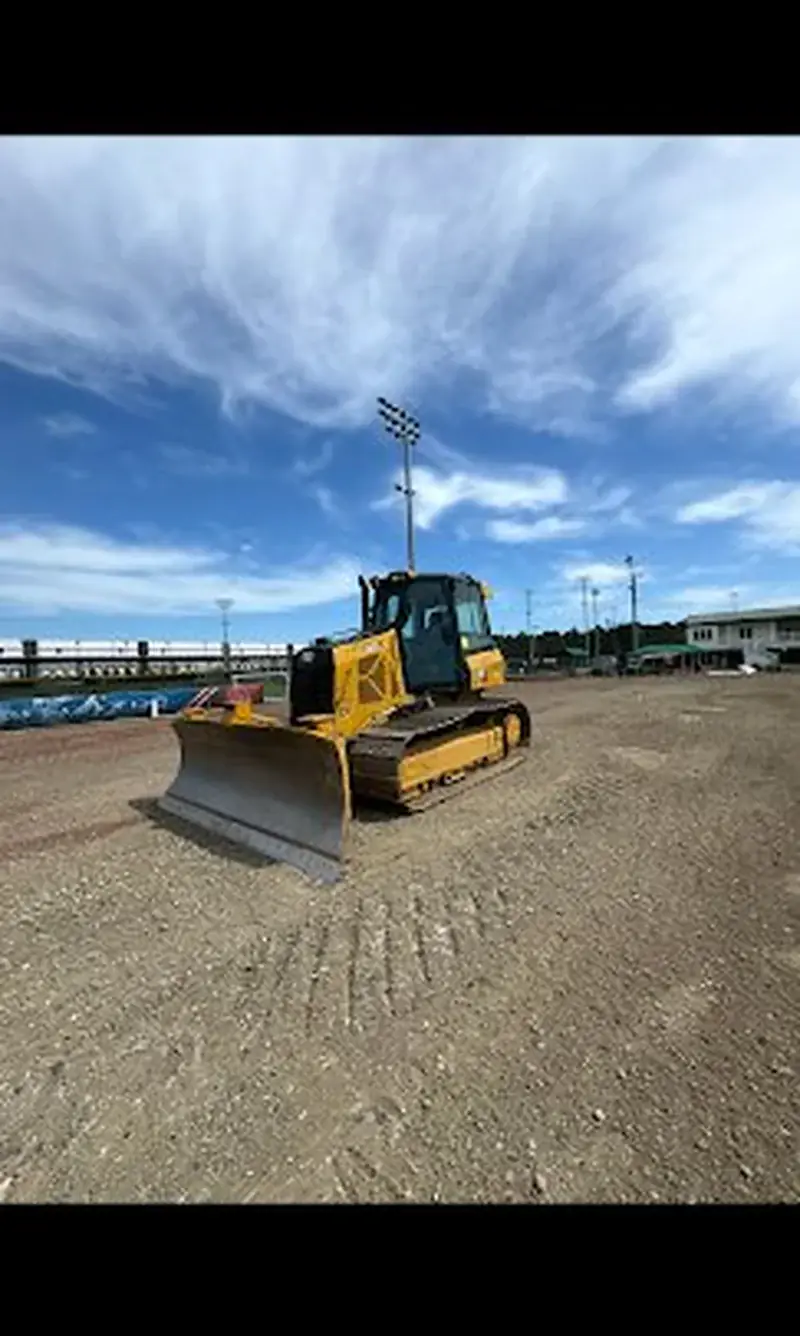
Nobody Talks About This Part
The pool was great in 2005. Now it's cracking, the liner is shot, the equipment is rusted, and the insurance company is asking about the fence. You want it gone. What you don't realize is how much goes into making it disappear.
Pool demolition isn't just breaking concrete and filling a hole. It's a regulated process that involves permits, utility disconnects, structural demolition, drainage, backfill, compaction, and surface restoration. Done wrong, you get a sinking yard, drainage problems, and a disclosure nightmare when you sell the house.
Two Methods: Partial vs. Full Removal
Partial removal (cave-in method). The most common approach for residential pools. The walls are broken down to 2-3 feet below grade, the bottom is punctured for drainage, the debris is pushed into the hole, and clean fill is added on top. The pool structure remains underground but is no longer functional. Cheaper and faster than full removal.
Full removal. Everything comes out — walls, floor, plumbing, deck, coping, every piece of the structure. The hole is backfilled with clean, compacted fill. Nothing remains underground. Required in some towns, and necessary if you plan to build a structure (like a new pool or addition) on the same footprint.
The Process Step by Step
- Permit. Most NJ towns require a demolition permit for pool removal. Some also require a plot plan showing the pool location and proposed final grade. We handle the permit application.
- Drain the pool. Water is pumped out and discharged per local regulations (typically to the sanitary sewer or into the yard away from neighboring properties).
- Disconnect utilities. Gas, electric, and water lines to the pool equipment are disconnected. Your electrician handles the electrical disconnect; we handle the rest.
- Demolition. The excavator breaks the concrete shell — deck, coping, walls, floor. Steel rebar is separated for recycling. Equipment pad and plumbing are removed.
- Drainage. Holes are punched in the pool bottom to prevent the old pool shell from becoming an underground bathtub. This is critical — without drainage, the hole will hold water indefinitely and cause settling.
- Backfill and compaction. Clean fill material (crushed stone, then topsoil) is placed in lifts and mechanically compacted. Proper compaction prevents the yard from sinking over the next 2-3 years.
- Surface restoration. Topsoil, rough grade, and prep for seed or sod. Within a growing season, you won't be able to tell there was ever a pool there.
What It Costs
- Partial removal (typical 16x32 concrete pool): $8,000–$14,000
- Full removal (same size): $12,000–$20,000
- Add-ons that affect price: Pool house demolition (+$3,000-$8,000), extensive decking (+$2,000-$5,000), fencing removal (+$500-$1,500), new septic or drainage work on the same footprint
The Disclosure Issue
When you sell a home in NJ, you're required to disclose that a pool was removed. With partial removal, the structure is still underground — buyers and their inspectors will ask about it. With full removal, there's nothing to disclose beyond the fact that a pool existed. If you're planning to sell within the next few years, full removal may be worth the extra cost for cleaner disclosure.
Ready to Remove Your Pool?
Frank will look at your pool, assess the scope, and give you a straight answer on cost and timeline. Call (908) 670-7297.